

How Proper Granite Counter Installations Outlast Trends and Time
Granite countertops have long stood as a popular feature in residential kitchens and bathrooms. Homeowners often choose this natural stone because it combines incredible durability with striking visual character. Selecting natural granite means introducing a piece of real geological history directly into your living space. Each slab brings its own distinct patterns and shades, creating a room centerpiece that never goes out of style. Beyond its physical beauty, granite offers incredible strength that holds up against heavy daily usage. Investing in professional granite counter installations provides your home with a resilient surface that retains its value across passing design trends.
Forming Natural Hardness Under Earthly Pressure
Granite is an igneous rock created deep within the Earth under extreme heat and pressure over millions of years. This slow cooling process allows minerals like quartz and feldspar to interlock tightly together. This dense composition creates a rigid structure that naturally resists physical wear. Because of this natural formation process, granite ranks very high on standard mineral hardness scales.
This inherent density prevents standard kitchen utensils from easily scratching or dulling the stone surface. Everyday activities like setting down grocery bags or prepping food will not ruin the smooth finish. Homeowners appreciate knowing that their kitchen counters can handle busy morning routines without showing immediate wear. The natural formation of the stone gives it a permanent advantage over synthetic options that easily scratch or dent under normal pressure.
Protecting Kitchen Surfaces Against Heat and Scratches
Kitchen environments put countertop surfaces through daily tests involving heat, moisture, and sharp objects. Granite handles these challenges better than almost any other material used in homes. Placing warm cookware on the counter will not cause the surface to blister, crack, or discolor. This exceptional heat resistance makes cooking and baking far more convenient for active home cooks.
Accompanying this heat tolerance is a strong defense against liquid stains when the stone receives appropriate surface treatments. According to HomeAdvisor, a properly installed and regularly sealed granite countertop can last up to 100 years. This incredible lifespan means a single home improvement project can serve your family for generations. The long-lasting nature of this natural stone makes it a practical choice for anyone looking to make an enduring investment in their property.
Offering Visual Variety for Every Home
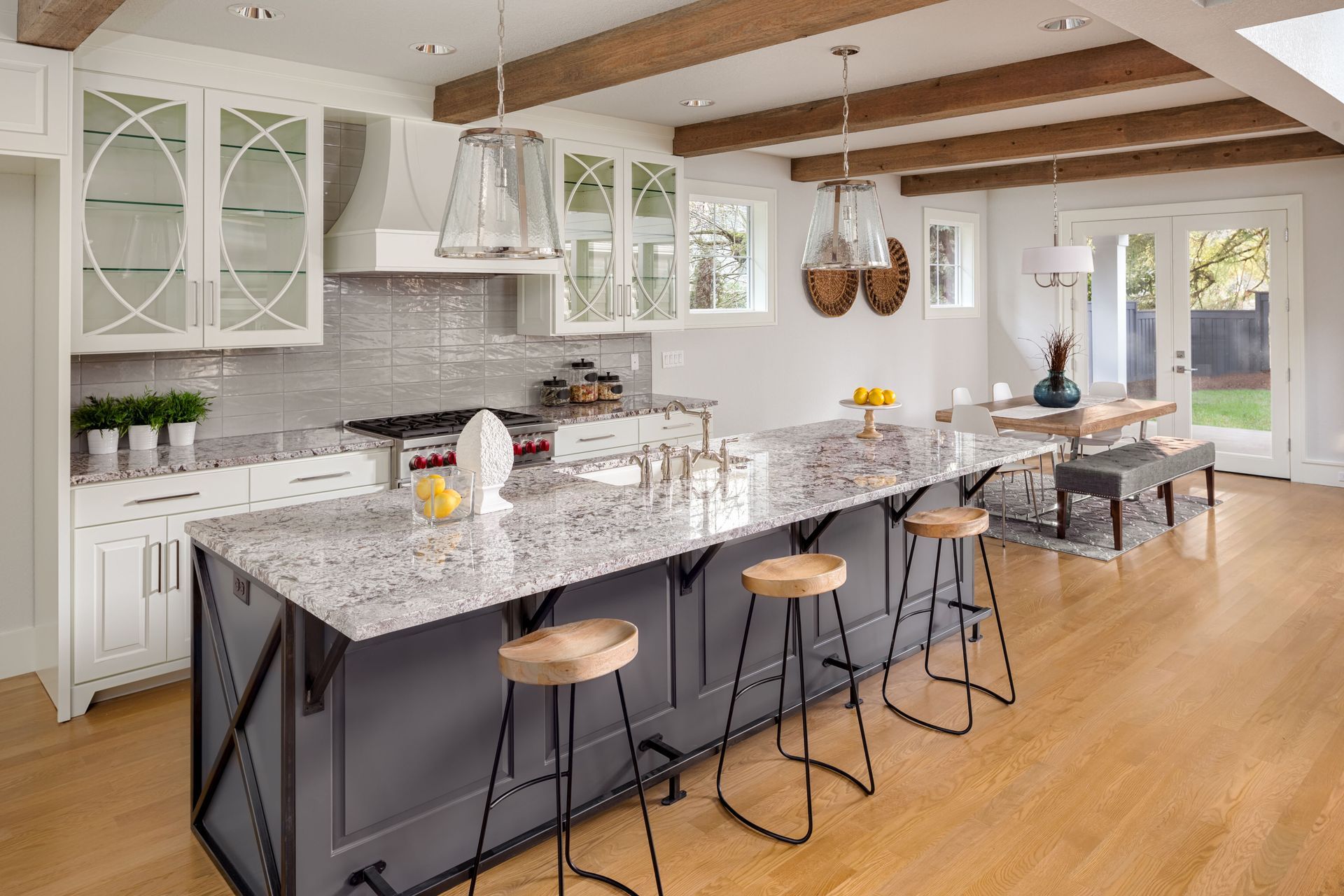
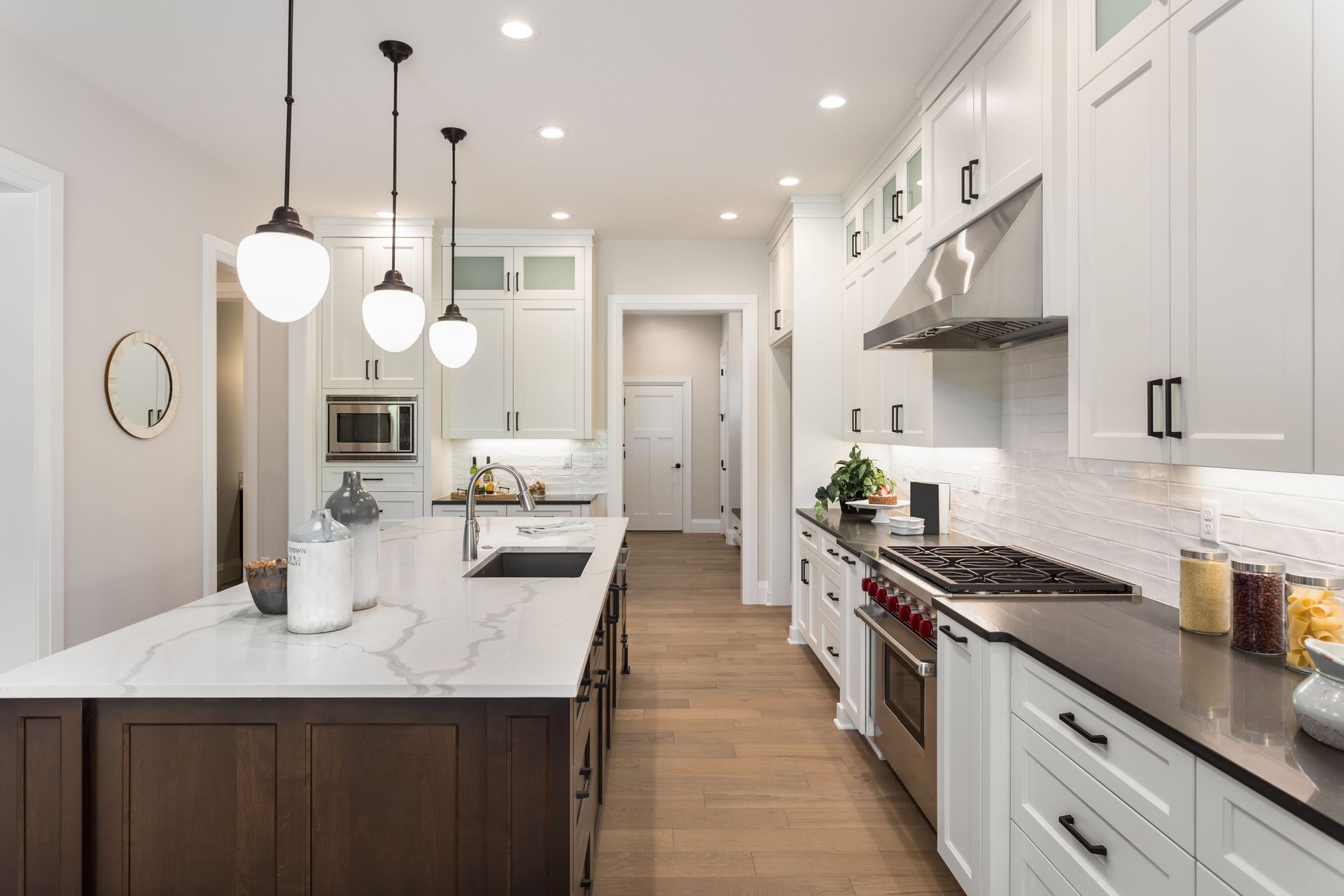
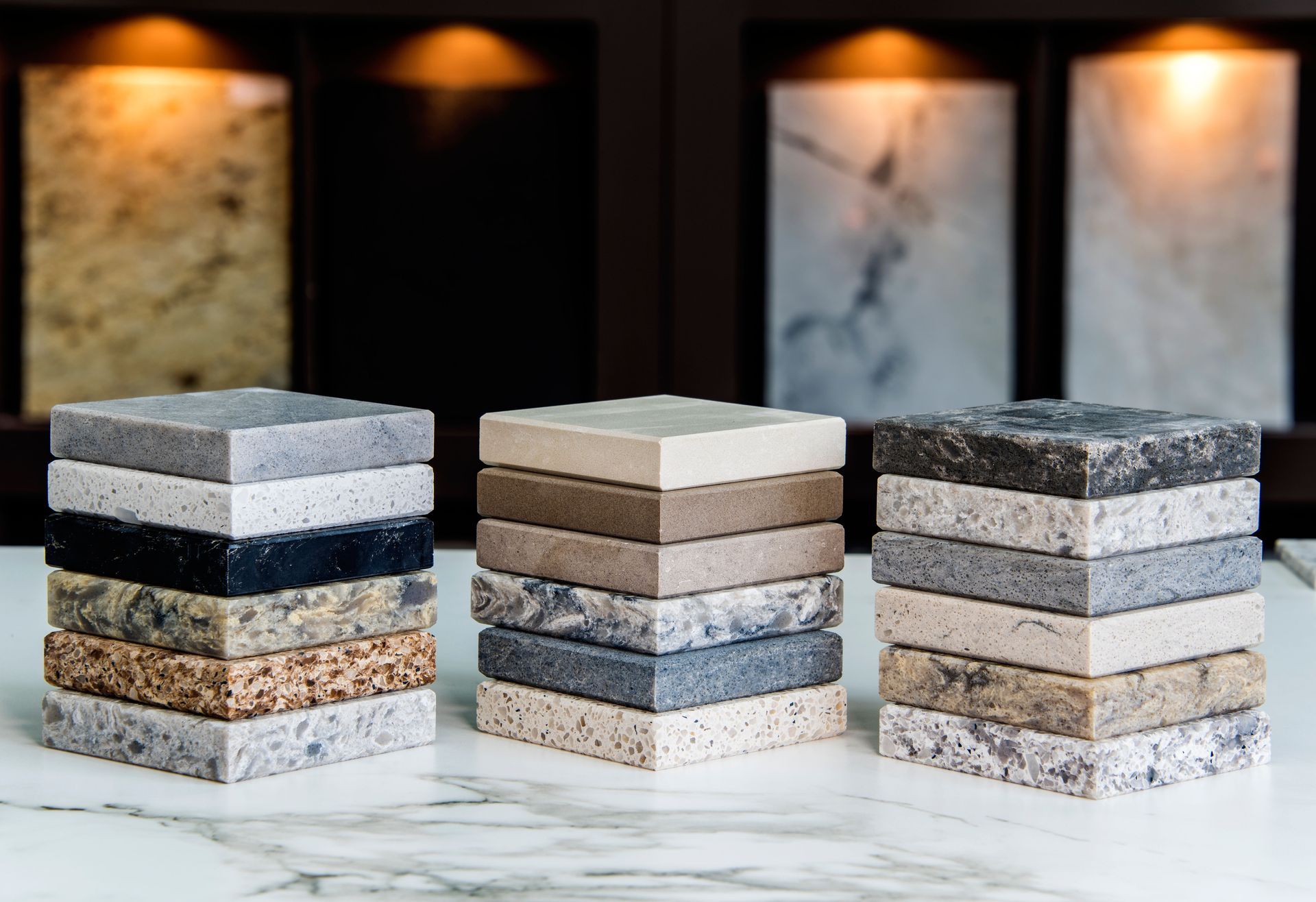
No two slabs of granite look identical, giving every homeowner a truly custom fixture. The natural distribution of minerals creates sweeping veins, subtle speckles, and rich background colors. Options range from deep charcoal and jet black to soft cream, warm gold, and vibrant red tones. This broad color range allows you to match your stone with light cabinetry or dark traditional wood finishes.
Surface finishing techniques also allow for personalized texture choices. A polished finish creates a glossy, reflective surface that enhances the depth of the stone's natural color. A honed finish offers a matte appearance that feels soft and looks contemporary. This decorative flexibility ensures your kitchen design stays timeless even as paint colors or wall decor choices change over time.
Masterminding Proper Installation Techniques
Achieving a flawless look requires specialized technical skills and careful handling during setup. Natural stone slabs are exceptionally heavy and rigid, leaving no room for errors during placement. Executing successful granite counter installations requires careful site evaluation, proper support structure preparation, and precise seam alignment. Working with experienced fabricators ensures your heavy stone sits securely on top of your existing cabinetry.
Preparing Substrates for Heavy Natural Slabs
Before any stone enters your home, installers must evaluate the supporting cabinet structure underneath. Granite slabs weigh several hundred pounds, requiring solid, level cabinetry to prevent structural sagging. Planning granite counter installations involves checking cabinet levelness across every wall section using precision leveling tools.
If cabinets sit unlevel or show weak points, installers add reinforcement shims and structural bracing. Unlevel cabinets put uneven pressure on the rigid stone, which can lead to cracks along stress points over time. Proper substrate preparation eliminates these structural risks, ensuring your heavy stone rests on a completely flat and stable base.
Securing Stones With Adhesives and Fasteners
Holding massive stone slabs in place requires specialized mounting compounds designed specifically for heavy stone. Installers use high-strength structural epoxies along cabinet edges and support points. These specialized adhesives hold the stone firmly while allowing for minor structural settling in the home.
Mechanical anchors and perimeter clips add extra security around open overhangs and sink cutouts. Kitchen environments experience slight temperature shifts throughout the year, causing materials to expand and contract subtly. Using flexible, heavy-duty adhesives accommodates this natural movement without breaking the bond or cracking the stone edges.
Applying Sealants for Stain Resistance
Natural stone features microscopic pores that can absorb liquids if left untreated. Finishing granite counter installations with high-grade penetrating sealants protects the stone against deep liquid absorption. The sealant sinks into the tiny pores near the surface, blocking cooking oils, fruit juices, and wine from soaking inward.
Applying sealant correctly requires thorough surface cleaning and even product application. Installers buff the sealant into the stone, allowing it to cure completely before daily use begins. This protective barrier ensures that accidental spills wipe away easily without leaving permanent discoloration behind.
Avoiding Costly Mistakes During Fitting
Handling heavy stone slabs without proper equipment can lead to chipped edges, cracked corners, or misaligned seams. Preventing errors during granite counter installations requires using specialized lifting tools and digital measuring templates. Precise measurement techniques ensure that sink cutouts, cooktop openings, and wall scribes fit tightly without forced pressure.
Improper seam placement is another issue that amateur installers often struggle with. Experienced professionals place seams near supported cabinet points and match the natural veining patterns across adjacent slabs. Careful color-matching of seam epoxies makes joint lines almost invisible, preserving the continuous flow of the stone pattern.
Maintaining Daily Beauty and Functional Strength
Caring for natural stone is surprisingly simple when you follow a basic maintenance routine. Granite does not require complicated cleaning procedures or harsh industrial chemicals to stay clean. Enjoying the long-term benefits of granite counter installations depends on using gentle daily cleaning methods and scheduling periodic resealing.
Cleaning Surfaces Without Harsh Chemicals
Daily care requires nothing more than warm water, a soft microfiber cloth, and a few drops of mild dish soap. Wiping down your counters after meal preparation removes surface dust, food crumbs, and light grease splatters. Avoiding acidic cleaners like vinegar, lemon juice, or bleach is essential, as harsh chemicals break down the protective sealant layer over time.
Abrasive scrubbing pads should also be avoided because they can dull a polished finish. Simple, gentle cleaning habits preserve the clear shine of the stone without scratching the surface. Keeping a dedicated stone cleaner on hand allows for quick touch-ups while protecting the underlying protective seal.
Handling Accidental Stains and Minor Marks
Even with protective sealants, accidental spills should be wiped up promptly to prevent standing liquids from penetrating the stone. Blotting liquids with a paper towel works better than wiping, as blotting prevents liquid from spreading across a wider area. If an oily stain sets into the surface, applying a simple baking soda poultice draws the moisture out of the pores overnight.
Superficial scuffs can usually be buffed out using specialized polishing pads. If your stone experiences a deeper chip from a dropped heavy object, professional stone restorers can fill the damage using color-matched clear acrylics or epoxies. Performing these minor touch-ups promptly keeps your surfaces looking brand-new for decades.
Selecting natural stone brings lasting character, high functionality, and unmatched durability to your home. From initial slab selection to final surface sealing, proper installation techniques ensure your stone remains beautiful for a lifetime. When you want custom stone craftsmanship performed by experienced professionals, working with a local team makes all the difference. To explore our wide selection of natural stone slabs or discuss your upcoming remodeling project, contact Merlino Marble and Granite today.






Share On: